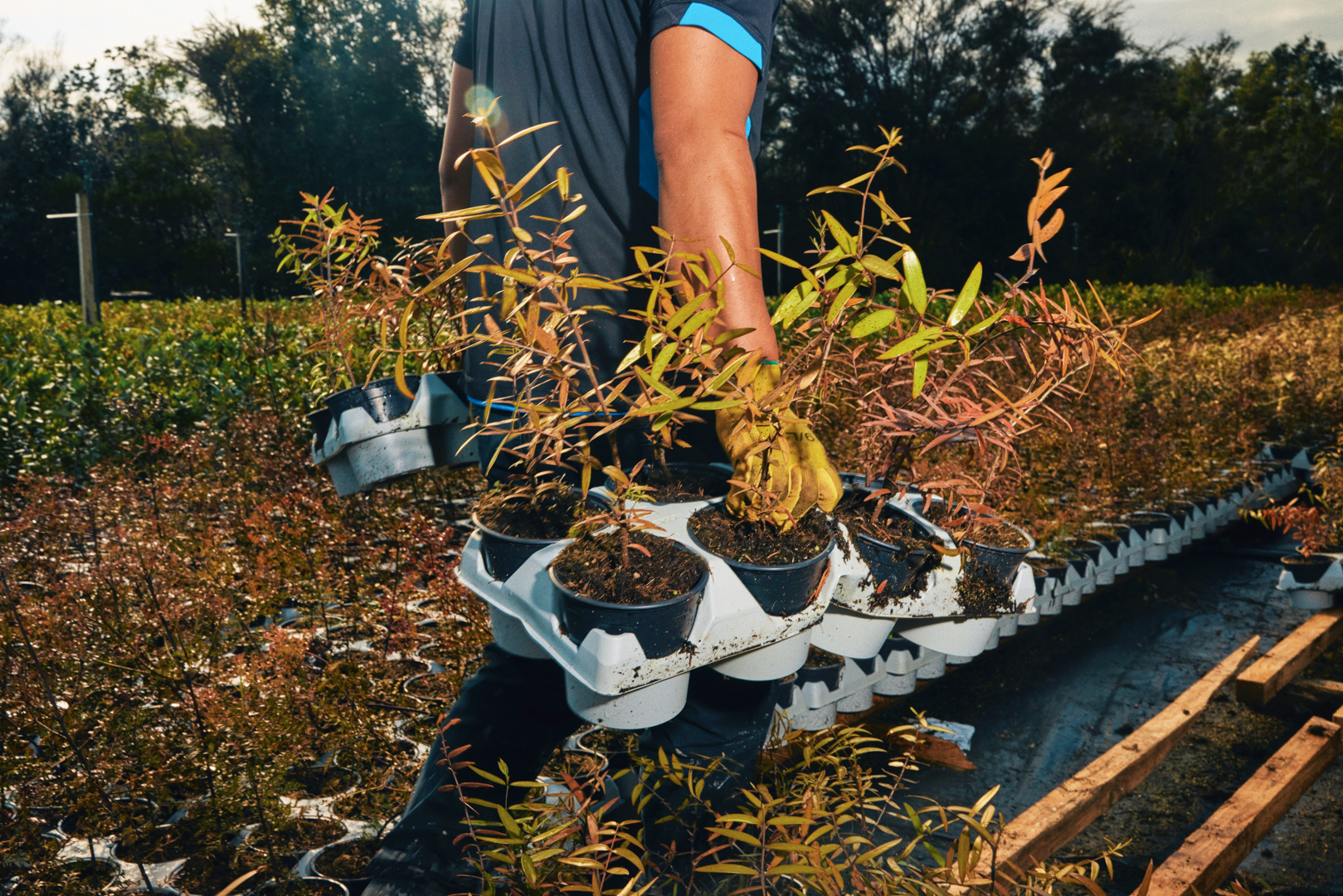
Kauri Ora: Growing Kauri in nurseries
Kauri risk management guide for nurseries.
Kauri are threatened by a soil-borne pathogen called Phytophthora agathidicida (PA), which causes the fatal condition known as kauri dieback disease. Strict protocols for the growing and production of Kauri are an important part of protecting Kauri from the PA pathogen.
National PA Pest Management Plan
A National Pest Management Plan is the strongest form of protection for Kauri available under the Biosecurity Act 1993. A National Plan came into effect in August 2022 and includes 10 rules to mitigate PA spread for high-risk activities.
Guidelines for plant nurseries
This document provides nursery best practice guidelines to help nurseries manage the threat of their Kauri crops becoming infected with PA and subsequently spreading it with plants to customers and through out-planting and to comply with the rules of the National Plan for Kauri growers .
Adoption of these guidelines will also help a nursery meet the requirements of the National PA Pest Management Plan.
National Plan rules for plant growers
Rule 3 of the National Plan requires that Kauri plants or trees must be grown according to a Kauri plant production plan if they are going to be moved off the property from which they were grown.
This production plan must contain the components stipulated within the rules (NPMP Section 17), which ensure growers of Kauri are managing the risk of PA spreading via growing and distributing Kauri plants – including the method of seed/cone collection, sourcing of growing media, handling of production batches and growing containers, and a pre-dispatch isolation period.
These guidelines will help nurseries who are not part of Plant Pass to develop their production plan and meet the requirements of Rule 3. Nurseries that are Plant Pass certified to the Plant Pass Core Standard and the PA (Kauri) Schedule will automatically comply with Rule 3.